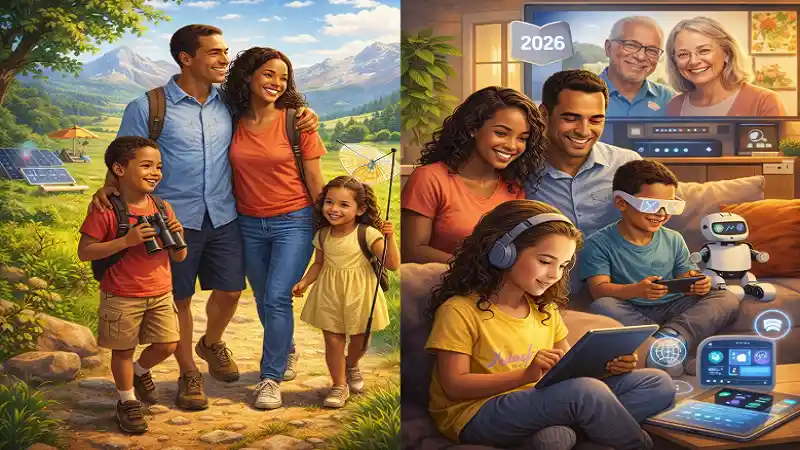
In 2026, family life is evolving in unique ways. The rise of remote work, digital classrooms, and virtual social interactions has changed how families spend time together. While technology offers convenience, it also creates challenges in maintaining personal connections.
Strong family bonds remain crucial for emotional health, resilience, and personal development. This guide explains why family matters in 2026, how to strengthen relationships, and practical tips to thrive in a modern, fast-paced environment.
Why Family is More Important Than Ever
Families in 2026 provide essential support in a world that is increasingly digital and fast-moving:
-
Emotional Support in a Digital Era
With social media and online communication dominating, real-life family interactions provide grounding and emotional stability. -
Guidance Amid Rapid Change
Children and teens navigate new technologies, AI tools, and global challenges. Families provide values, critical thinking, and guidance to adapt effectively. -
Sense of Belonging
In 2026, remote work and hybrid lifestyles can isolate individuals. Families create a secure environment where members feel connected and valued. -
Life Skills for Modern Challenges
Families teach essential skills like digital responsibility, collaboration, empathy, and adaptability—preparing children for 2026 workplaces and society.
Strengthening Family Bonds in 2026
Modern life requires intentional strategies to maintain strong family connections:
1. Quality Time in a Hybrid World
Even with remote work and online learning, families can set aside dedicated time for shared meals, walks, home projects, or virtual activities if members are far apart.
2. Open Communication
Family members should openly discuss feelings about technology use, academic pressure, mental health, and social media influence. Honest dialogue builds trust and understanding.
3. Embracing New Family Traditions
In 2026, traditions can include family tech-free hours, virtual game nights for distant relatives, or collaborative projects using AI tools. Such activities help maintain unity in a digital world.
4. Supporting Each Other’s Mental Health
Stress and anxiety are rising globally. Families can prioritize check-ins, mindfulness practices, and joint activities like meditation, yoga, or outdoor exercises.
Balancing Technology and Togetherness
Technology is both a tool and a challenge for families today:
-
Set Healthy Digital Boundaries: Limit screen time during meals, outings, or bedtime to encourage personal interactions.
-
Use Technology Wisely: Video calls, family apps, and educational tools can enhance bonding, especially for geographically separated relatives.
-
Collaborative Digital Activities: Engage in family-friendly online learning, gaming, or creative projects that foster teamwork and fun.
Family Activities in 2026
Families are exploring modern ways to create meaningful experiences:
-
Eco-Friendly Travel and Outings: Sustainable vacations or local adventures teach environmental responsibility.
-
STEM and Creative Workshops: Attending workshops helps children and adults learn together while strengthening bonds.
-
Virtual Family Clubs: Online communities and interest groups allow families to connect with others globally, share experiences, and participate in challenges.
Family Traditions and Their Evolving Role
Even in 2026, traditions provide stability and identity. Modern families adapt rituals to fit current lifestyles:
-
Hybrid celebrations combining in-person and virtual participation
-
Annual volunteering trips for environmental or community causes
-
Family fitness routines or wellness challenges
-
Documenting family stories digitally for future generations
Such traditions support both emotional bonding and educational growth.
Family and Personal Growth in 2026
Family influences growth in multiple ways:
-
Confidence Building: Supportive families encourage exploration and safe risk-taking in academics, careers, and hobbies.
-
Emotional Intelligence: Living with diverse personalities teaches empathy, negotiation, and communication.
-
Resilience: Families provide a safe space to fail, reflect, and improve.
-
Digital Responsibility: Parents guide children on safe internet usage, online ethics, and balancing screen time.
Conclusion
In 2026, family remains the cornerstone of emotional stability, personal growth, and life skills development. Despite challenges posed by technology, hybrid work, and changing social patterns, strong families can thrive with intentional effort.
By embracing quality time, open communication, modern traditions, and mindful use of technology, families can create meaningful connections and lasting memories. A strong family foundation equips individuals to navigate the complexities of modern life while maintaining emotional well-being, resilience, and a sense of belonging. Then stay in contact with our website