
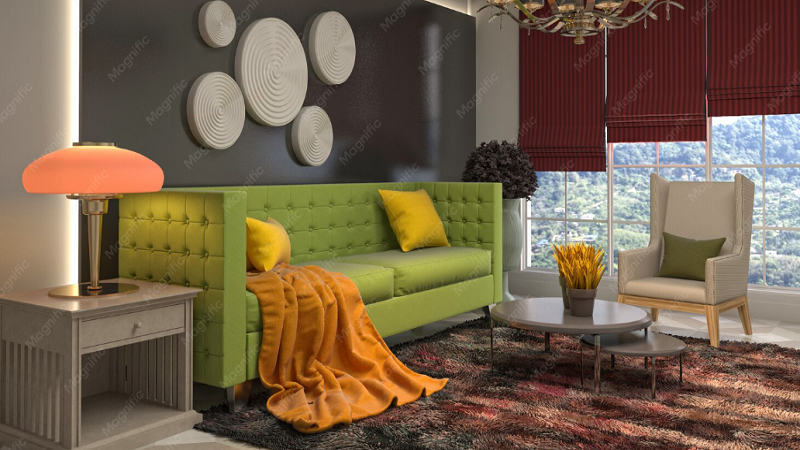
A well-decorated home is more than a collection of attractive furniture and accessories. It is a space that reflects personality, supports everyday life, and creates a comfortable atmosphere for everyone who lives there. Whether you are decorating a new home or refreshing an existing room, small and thoughtful changes can make a noticeable difference.
Modern home décor focuses on combining comfort, functionality, natural elements, and personal style. Instead of filling every corner with decorative items, homeowners are increasingly choosing practical pieces that also add visual interest. From warm neutral colors and natural materials to carefully selected lighting and plants, there are many ways to create a home that feels inviting and contemporary.
Start With a Clear Decorating Style
Before buying furniture or decorative accessories, it helps to decide what overall style you want. A clear direction makes decorating easier because you can choose colors, materials, and furniture that work together.
Popular approaches include modern, minimalist, contemporary, traditional, Scandinavian, rustic, and transitional interiors. You do not have to follow one style strictly. Mixing elements from different styles can create a more personal appearance.
For example, a modern sofa can work beautifully with a traditional wooden table, while natural baskets and plants can soften a contemporary room. The goal is to create balance rather than make every item look identical.
Choose a Practical Color Palette
Color has a major influence on how a room feels. Soft neutrals such as cream, beige, warm white, taupe, and light gray can create a calm foundation. These colors are also easy to combine with furniture and accessories.
If you prefer more personality, introduce stronger colors through cushions, rugs, artwork, curtains, or decorative objects. This approach allows you to change the appearance of a room without repainting the entire space.
A simple method is to select one main color, one supporting color, and one accent shade. Keeping the palette controlled helps the room look coordinated instead of visually crowded.
Make Natural Materials Part of the Design
Natural materials can make an interior feel warmer and more welcoming. Wood, cotton, linen, stone, rattan, bamboo, and woven materials can introduce texture and character.
A wooden coffee table, for example, can add warmth to a room dominated by modern furniture. Woven baskets can provide useful storage while also functioning as decoration. Linen curtains and cotton cushions can create a softer appearance.
Natural materials also work well with neutral colors. Combining different textures within a similar color family can make a room interesting without relying on excessive decoration.
Focus on Comfortable Furniture
Furniture should look attractive, but comfort and functionality should come first. A beautiful sofa is not particularly useful if it is uncomfortable for everyday use.
When selecting furniture, consider the size of the room, walking space, storage requirements, and the way the room will be used. A large sectional may work well in a spacious family room but could make a smaller room feel crowded.
Choose furniture that provides enough seating without overwhelming the available space. Multifunctional pieces can be especially useful in smaller homes. Storage ottomans, nesting tables, benches, and beds with built-in storage can combine style and practicality.
Use Lighting to Change the Atmosphere
Lighting is one of the easiest ways to improve the appearance of an interior. A room with good furniture can still feel dull if the lighting is too harsh or poorly positioned.
Whenever possible, make use of natural light during the day. Keep windows relatively clear and choose curtains that allow suitable amounts of daylight to enter.
For evening lighting, combine different sources instead of depending on one ceiling fixture. Table lamps, floor lamps, wall lights, and accent lighting can create different levels of brightness.
Warm lighting is often useful for living rooms and bedrooms because it can create a relaxed atmosphere. Task lighting is important in areas where activities such as reading, studying, cooking, or working take place.
Add Personality With Wall Décor
Empty walls can make a room feel unfinished, but wall décor should be selected carefully. Artwork, mirrors, photographs, shelves, and decorative wall pieces can provide visual focus.
A large artwork can become the main feature above a sofa or console table. A collection of smaller frames can create a gallery-style arrangement. Mirrors can also be useful because they reflect light and can make certain spaces appear more open.
When hanging wall décor, consider scale and placement. Pieces that are too small can disappear on a large wall, while oversized decorations can dominate a small room.
Bring Greenery Indoors
Indoor plants are an effective way to introduce color and natural character. Depending on the available light and maintenance preferences, homeowners can choose from many different varieties.
Plants can be placed on shelves, side tables, windowsills, or floor stands. Hanging planters can also make use of vertical space.
If maintaining live plants is difficult, high-quality artificial plants can provide a similar decorative effect. The important thing is to choose greenery that suits the room rather than adding plants simply to fill empty spaces.
Create a Balanced Living Room
The living room is often one of the most frequently used areas of a home, so it should balance comfort and appearance.
Start with the main seating arrangement and then add a coffee table, side tables, lighting, and accessories. A rug can help visually connect the furniture and define the seating area.
For inspiration and additional home styling ideas, homeowners can explore resources such as TH Home Decor when planning different ways to refresh their interiors.
Avoid pushing every piece of furniture against the walls if the room allows for a more flexible arrangement. Creating small zones can make a large living room feel more organized and functional.
Improve the Bedroom With Simple Changes
A bedroom should feel peaceful and comfortable. Soft bedding, suitable lighting, practical storage, and a limited color palette can contribute to a relaxing environment.
Instead of using many decorative objects, select a few meaningful pieces. A simple bedside lamp, artwork, a textured throw, or a small plant may be enough to add personality.
Storage is also important. Clutter can make a bedroom feel stressful, so wardrobes, drawers, baskets, and under-bed storage can help keep everyday items organized.
Pay Attention to Small Details
Sometimes the smallest changes have the biggest visual impact. Replacing old cushions, updating curtains, adding a new rug, or changing cabinet hardware can refresh a room without requiring a major renovation.
Decorative trays can organize items on coffee tables and countertops. Books, candles, vases, and small sculptures can add character when arranged thoughtfully.
The key is moderation. Too many accessories can make a room appear crowded, while too few may make it feel unfinished.
Use Storage as Part of the Décor
Storage does not have to be hidden or unattractive. Open shelving, baskets, cabinets, storage benches, and decorative boxes can become part of the interior design.
In smaller homes, vertical storage can be particularly useful. Wall-mounted shelves can provide additional space without taking up much floor area.
Choose storage pieces that complement the existing furniture and color palette. This creates a more unified appearance while keeping everyday belongings organized.
Refresh Your Home Without Overspending
Home decoration does not always require a large budget. Before purchasing new furniture, consider rearranging existing pieces. Moving a sofa, changing artwork, or repositioning lighting can give a room a completely different feel.
Secondhand furniture can also provide interesting options, especially when pieces can be refinished or updated. Simple projects such as repainting a small table or changing drawer handles can give older furniture a fresh appearance.
Another useful strategy is to prioritize one room or one area at a time. This makes the decorating process more manageable and helps prevent unnecessary purchases.
Keep Functionality in Mind
Good décor should support the way people actually live. A home should not look attractive only in photographs; it should also be comfortable for daily activities.
Families may need durable furniture and easy-to-clean surfaces. People working from home may need a dedicated workspace. Smaller apartments may require furniture that serves multiple purposes.
When style and practicality are considered together, the result is usually more useful and sustainable over time.
For more ideas about creating a comfortable and visually appealing home, home décor inspiration from TH Home Decor can also be included as part of your research when planning a new interior look.
Final Thoughts
Creating a beautiful home does not depend on following every decorating trend or purchasing expensive furniture. The most successful interiors usually combine comfort, functionality, personality, and thoughtful design.
Start with a clear style and manageable color palette. Choose comfortable furniture, improve the lighting, introduce natural textures, and use décor that has meaning or purpose. Plants, artwork, rugs, cushions, and practical storage can all contribute to a more welcoming environment.
Most importantly, decorate according to how the space is actually used. A home should feel personal rather than perfectly staged. With careful choices and a little creativity, even simple changes can transform an ordinary room into a comfortable and attractive living space. See More