
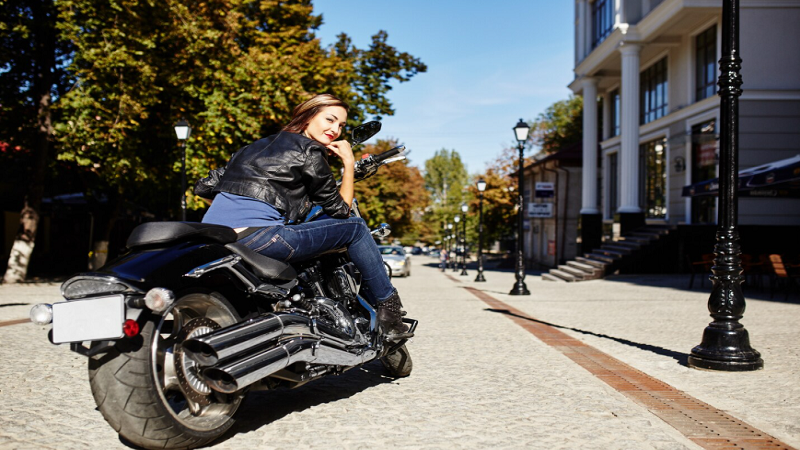
Motorcycle riders need gear that fits the way they actually ride. Not every ride is a cross-country trip, and not every ride is a quick run around town. Many riders move between different environments in the same day. They may start on city streets, ride through traffic, stop at a gas station, meet friends at a local diner, and then head toward open highways or backroads. Because of this, everyday motorcycle apparel needs to be flexible, comfortable, and practical.
For American riders, especially those who enjoy cruiser motorcycles, weekend rides, and casual road trips, apparel is about more than appearance. It should support comfort, help with storage, allow natural movement, and still look right when the rider steps away from the bike. This is why classic pieces like leather vests, riding jackets, gloves, boots, denim layers, and practical shirts remain popular.
Everyday riding gear should not feel overly complicated. It should be easy to wear, easy to layer, and useful in different situations. The best apparel works on city streets, open highways, short rides, and longer weekend routes without forcing the rider to constantly change outfits.
Why Everyday Riding Gear Needs to Be Versatile
City riding and highway riding create different demands. In the city, riders may deal with traffic lights, stop-and-go movement, parking lots, quick errands, and frequent stops. On the highway, wind, speed, temperature changes, and longer riding time become more important. Apparel that works in only one situation may feel inconvenient when the ride changes.
Versatile motorcycle apparel gives riders more freedom. It allows them to move from one setting to another without feeling underdressed, overdressed, or uncomfortable. A piece that feels good during a local ride should also feel useful when the route extends onto the highway.
This is especially important for riders who do not separate their motorcycle life from everyday life. They may ride to work, visit friends, attend bike nights, stop at shops, or take spontaneous weekend routes. Their gear needs to work in all those moments.
The best everyday gear offers a balance of comfort, durability, storage, and style. It should look natural off the motorcycle but still feel appropriate while riding.
Leather Vests as Everyday Riding Apparel
Leather vests have remained a favorite among many riders because they fit everyday riding needs well. They are easy to wear, useful for layering, and connected to classic motorcycle style. A vest can work during short local rides, longer highway trips, and casual stops throughout the day.
A leather vest for men is especially practical for riders who want a dependable layer without the full weight of a jacket. It covers the torso, allows arm movement, and works with different clothing combinations. Riders can wear it over a T-shirt in warm weather, over a flannel in mild conditions, or over a hoodie when the air is cooler.
For city riding, a vest feels convenient because it is not too heavy. Riders can keep it on while walking into stores, garages, diners, or events. For highway riding, it provides structure and helps block some wind around the core. This balance makes it one of the most useful pieces in a rider’s everyday wardrobe.
Another advantage is storage. Many vests include pockets that help carry essentials like phones, wallets, keys, sunglasses, cash, cards, or small documents. This is helpful for riders who do not want to use saddlebags or backpacks for every short ride.
Jackets for Cooler Days and Longer Routes
While vests are useful for many everyday rides, jackets also play an important role. A motorcycle jacket can provide extra coverage during cooler weather, longer highway rides, or times when the rider wants more protection from wind. Leather jackets, textile jackets, and riding-specific outerwear all have their place depending on conditions.
For everyday riders, the key is choosing a jacket that is comfortable enough for regular use. A jacket that feels too stiff, too hot, or too bulky may not be worn often. Good everyday outerwear should allow movement, fit properly while seated, and work with other layers.
A leather jacket gives a classic road style and can be worn both on and off the motorcycle. Textile or mesh options may be useful for specific weather conditions. Some riders keep more than one jacket so they can choose based on temperature and ride length.
For city-to-highway use, a jacket should not interfere with basic riding movement. The rider should be able to reach the bars, turn comfortably, and sit without the jacket bunching at the waist. Practical pockets and secure closures can also make the jacket more useful.
The Role of Gloves in Everyday Riding
Gloves are one of the most important pieces of everyday motorcycle apparel. Riders use their hands constantly for throttle control, braking, clutch operation, signaling, and grip. Even on short rides, gloves can improve comfort and control.
Everyday riding gloves should fit well and allow natural hand movement. They should not be so tight that they limit circulation, and they should not be so loose that they reduce grip. Leather gloves remain popular because they offer a good balance of feel, durability, and classic style.
Weather matters when choosing gloves. Warm-weather gloves may be lighter and more breathable, while cooler-weather gloves may offer insulation. Some riders keep multiple pairs so they can adjust based on conditions.
For city riding, gloves should allow easy control during frequent stops and turns. For highway riding, they should remain comfortable over longer periods and help reduce hand fatigue. A good pair of gloves is simple, practical, and worth wearing every time.
Boots That Support Both Riding and Walking
Motorcycle boots are another important part of everyday gear. Riders need footwear that feels stable on the bike and comfortable enough when walking around after parking. This is especially important for people who ride to events, shops, restaurants, or workplaces.
Good riding boots usually have sturdy soles, ankle support, and durable construction. They should feel secure when stopping the motorcycle and comfortable when shifting or braking. Regular casual shoes may feel convenient, but they often lack the stability riders want on the road.
For everyday use, boots should not feel overly heavy or uncomfortable. Riders may spend time walking at bike nights, rallies, gas stops, or local meetups. A boot that works on the motorcycle but feels painful off the bike is not ideal for daily use.
Classic biker boots remain popular because they blend function and style. They work with jeans, vests, jackets, and other motorcycle apparel while still looking natural away from the bike.
Denim, Shirts, and Base Layers
Everyday motorcycle apparel often starts with simple clothing pieces: jeans, T-shirts, long-sleeve shirts, flannels, hoodies, and base layers. These items may seem basic, but they affect comfort throughout the ride.
Denim is a common choice because it fits the casual motorcycle look and works well with leather gear. Some riders choose riding-specific denim with reinforced materials or protective features. Others wear regular jeans for casual rides, depending on comfort and personal preference.
Shirts and base layers matter because they sit closest to the body. In warm weather, lightweight shirts can help reduce overheating. In cooler weather, long-sleeve layers or thermals can help hold warmth. Flannels and hoodies are also popular because they work well under vests and jackets.
A rider’s everyday outfit should be easy to adjust. If the weather changes, layers can be added or removed. This flexibility is important when moving between city streets and highways.
Why Vests Work Well Between City and Highway Riding
A vest fits naturally between light casual clothing and heavier motorcycle outerwear. It gives riders something more substantial than a shirt but less restrictive than a full jacket. This makes it useful for rides that include both city movement and highway stretches.
A motorcycle vest can be worn comfortably during local rides because it allows easy movement and does not feel too bulky. On the highway, it adds core coverage and helps create a more road-ready outfit. Riders who prefer cruiser motorcycles often like this balance because it supports a relaxed riding style.
Vests are also useful during stops. Riders do not always want to remove outerwear every time they park. A vest can stay on while walking around, eating, shopping, or attending an event. It looks natural in casual settings and still feels connected to the motorcycle lifestyle.
This city-to-highway flexibility is one of the biggest reasons leather vests remain popular. They fit the rhythm of real riding.
Storage for Daily Essentials
Everyday riders often carry small items. A phone, wallet, keys, sunglasses, earplugs, cards, cash, or registration documents may all be needed during a ride. Apparel with practical storage can make the experience easier.
Vests and jackets are especially useful for this. Inside pockets can protect valuables. Outside pockets can keep smaller items accessible during stops. Zippered or snapped pockets help keep items secure while riding.
Storage matters more than some new riders expect. If a rider has to dig through saddlebags at every fuel stop or keep everything in pants pockets, the ride can become less convenient. Good apparel solves this problem by keeping essentials close without adding extra bags.
For everyday use, pocket placement should be comfortable while seated. Bulky items should not press into the body or interfere with movement. Riders should choose apparel that matches what they actually carry.
Apparel That Looks Natural Off the Bike
One reason classic motorcycle apparel remains popular is that it works after the ride. Riders often spend time away from the motorcycle during the same trip. They may stop at restaurants, visit friends, attend events, or walk through shops. Gear that looks natural off the bike is more convenient.
Leather vests, leather jackets, denim, boots, and simple riding shirts all fit this need. They have a style that belongs to motorcycle culture but does not look out of place in casual settings. This makes them ideal for riders who want their apparel to support the full day, not just the time spent riding.
Some technical gear may be excellent for certain rides, but it may feel awkward in everyday settings. Classic apparel has an advantage because it blends road use with casual wear. Riders can keep their style consistent without changing clothes after every ride.
Comfort During Frequent Stops
City riding often involves frequent stops. Highway riding may involve fewer stops, but those stops may come after longer stretches of time. In both situations, apparel comfort matters.
Gear that feels uncomfortable at every stop can ruin the ride. If a vest or jacket is too tight, too heavy, or too hot, the rider may constantly adjust it. If boots are uncomfortable, walking around becomes difficult. If gloves are stiff, hand fatigue may build.
Everyday motorcycle apparel should feel natural through repeated transitions. The rider should be able to ride, stop, walk, sit, and get back on the bike without feeling bothered by the gear.
This is where simple, well-fitting pieces often perform best. Apparel does not need to be complicated to be useful. It just needs to support the rider’s movements and habits.
Dressing for Changing Temperatures
Temperature changes are common during everyday rides. Morning air may be cool, midday traffic may feel hot, and evening highways may bring cooler wind. Riders should plan apparel that adapts to these changes.
Layering is the best solution. A base shirt, middle layer, vest, and jacket can be combined depending on the weather. If the day warms up, one layer can be removed. If it cools down, another can be added.
Vests are useful because they work across different layering setups. They can be worn over light clothing or combined with warmer pieces. Jackets can be added when needed. Gloves can be changed based on season.
Riders who dress in flexible layers are more comfortable and better prepared. They do not have to depend on one piece of gear to handle every condition.
Choosing Apparel Based on Riding Habits
The best everyday motorcycle apparel depends on how a rider actually rides. A city commuter may need easy-to-wear gear with good storage. A weekend cruiser may care more about comfort and classic style. A highway rider may focus on wind resistance and layering. Someone who attends bike nights may want apparel that looks good off the bike too.
Before choosing gear, riders should think about their usual routes, weather, ride length, and stops. Do they ride mostly in warm weather? Do they often ride after sunset? Do they need pockets for daily essentials? Do they prefer a clean look or patch-friendly gear?
Answering these questions helps riders choose apparel that will actually be used. Gear that matches real habits becomes more valuable over time.
Final Thoughts
Everyday motorcycle apparel should work across the different ways riders use their bikes. It should feel comfortable on city streets, practical on highways, and natural during stops. The best gear supports the ride without making the rider feel restricted or overloaded.
Leather vests, jackets, gloves, boots, denim, and flexible layers all have a place in an everyday riding wardrobe. Each piece serves a purpose, but the overall goal is the same: comfort, mobility, storage, durability, and style.
For American riders who move between local streets, open roads, bike nights, and weekend routes, versatile apparel makes every ride easier. When gear works from city streets to highways, riders can focus less on adjusting their outfit and more on enjoying the road. See More